Source Natural Touch Artificial Tree Leaves for Home Decor
Compare 30 listings of natural touch artificial tree leaves from verified suppliers. Buyers can evaluate options for home, garden, and commercial spaces based on material, size, and customization features; compare the available evidence and request quotations based on your requirements.
Key considerations
Products List




Comprehensive Sourcing Guide
Natural Touch Artificial Tree Leaves Sourcing Guide
Procuring natural touch artificial tree leaves requires distinguishing between simulated soil-based tabletop units and larger structural trees designed for public spaces. The market offers diverse configurations, ranging from 60cm to 220cm in height, with materials varying from plastic to silk cloth. Buyers must carefully align their specific spatial requirements with the observed product attributes, such as the distinction between 91cm tabletop plants and 5-meter trees with iron frames. Understanding these physical variances is the first step in defining a viable procurement strategy that matches the intended display environment.
Commercial terms and minimum order quantities vary significantly across different product listings, creating a complex landscape for bulk buyers. While some suppliers list an MOQ of just one piece, others require orders of 100 pieces or 2 meters of length. Payment methods also differ, with options including T/T, Western Union, Moneygram, and PayPal. Sourcing teams must evaluate these commercial constraints against their inventory needs, ensuring that the selected supplier can accommodate the required volume without imposing prohibitive financial or logistical barriers that could delay project timelines.
Product Scope and Observed Listing Signals
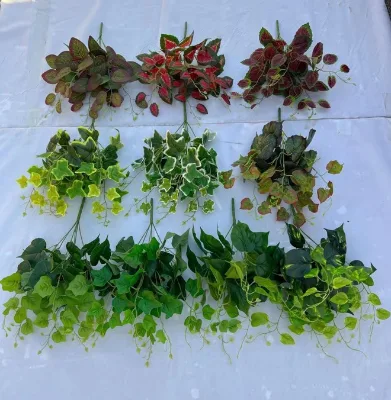
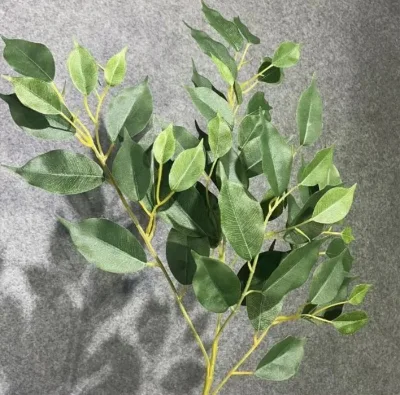
The observed product range includes items explicitly labeled as artificial leaves, branches, and complete trees, often featuring a green color profile to mimic nature. Listings indicate a "natural" and "environmentally friendly" feature set, though the material composition is primarily plastic or silk cloth. Some units are designed as tabletop plants with a simulated soil root type, while others are large-scale trees suitable for hotels, airports, and supermarkets. This diversity necessitates a clear definition of the end-use case to filter out products that do not meet the specific aesthetic or functional requirements of the project.
Packaging and display methods are critical signals that indicate the intended handling and installation process for these artificial greenery items. Products are frequently shipped in bubble bags, cartons, or plywood frames, with some units including an iron frame for structural support. The display style varies from hang-decoration to general decoration, and the surface treatment often involves plating for durability. Buyers should verify that the packaging method aligns with their logistics capabilities, as the inclusion of heavy frames or specific protective layers can significantly impact shipping costs and on-site assembly time.
Technical Specifications to Verify
Verifying the physical dimensions and structural integrity of artificial tree leaves is essential for ensuring they fit the designated space. Observed specifications range from 60 to 65 centimeters for smaller units up to 220 centimeters for larger standards, with some custom options available. The height of tabletop plants typically falls between 91cm and 120cm, while larger trees may reach 5 meters. Procurement teams must confirm the exact size against their architectural plans, as discrepancies in height or width can render a product unsuitable for its intended location, particularly in commercial settings with strict spatial constraints.
Material composition and surface treatment directly influence the longevity and visual realism of the artificial foliage. The primary materials identified are plastic and silk cloth, with some units featuring a plating process to enhance durability. The estimated lifespan varies across listings, with some products claiming a lifetime of 3 to 5 years and others suggesting up to 10 years. Buyers should request detailed material samples to assess the texture and color fastness, ensuring that the "natural touch" claim is substantiated by the actual feel and appearance of the silk or plastic components under various lighting conditions.
Compliance and Safety Documentation
Safety documentation is a critical consideration, particularly for products intended for public spaces like airports, hotels, and supermarkets. While some listings explicitly state that the products are non-fire retardant, this presents a significant risk for commercial installations where fire safety codes are strictly enforced. Buyers must verify if the supplier can provide fire resistance certifications or if the product can be treated to meet local fire safety standards before installation. Relying on a product labeled as non-fire retardant for a public venue could lead to regulatory violations and potential liability issues.
Environmental claims and material safety data should be scrutinized to ensure they align with corporate sustainability goals. Although some product attributes mention being "environmentally friendly," the primary materials are plastic and silk, which may have specific disposal or recycling implications. Procurement teams should request Material Safety Data Sheets (MSDS) or environmental compliance statements to validate these claims. Without concrete documentation, the "environmentally friendly" label remains an unverified observation that could mislead stakeholders regarding the true ecological impact of the artificial greenery.
Cost Drivers and Commercial Terms
The cost of natural touch artificial tree leaves is driven by material quality, size, and the complexity of the manufacturing process. Handmade processing is noted for certain items, which typically commands a higher price point compared to mass-produced units. The weight of the product, such as 15kg per meter for larger trees, also impacts shipping costs, as heavier items incur higher freight charges. Buyers must calculate the total landed cost, including freight and insurance, rather than focusing solely on the unit price, to avoid budget overruns during the procurement process.
Lead times and payment terms are key commercial variables that affect project scheduling and cash flow management. Observed lead times range from 5 to 15 days, depending on the supplier and order volume. Payment methods vary widely, with options including T/T, Western Union, Moneygram, and PayPal. Sourcing managers should negotiate payment terms that align with their financial policies, potentially seeking a balance between upfront deposits and milestone payments. Understanding these commercial terms is vital for maintaining a healthy supplier relationship and ensuring timely delivery of the artificial foliage.
Supplier Qualification and Quality Control
Supplier qualification involves verifying the origin and production capabilities of the manufacturer to ensure consistent quality. Most observed products originate from China, with specific mentions of Guangdong as a production hub. Buyers should assess the supplier's capacity to handle custom orders, as customization is listed as an available attribute. It is crucial to confirm that the supplier has the necessary infrastructure to maintain quality control throughout the production process, especially for handmade items where consistency can vary between batches.
Quality control protocols must be established to verify that the delivered products match the agreed-upon specifications. The observed product attributes, such as color, height, and material, should be validated against a physical sample before mass production begins. Buyers should implement a rigorous inspection process to check for defects in the plating, stitching, or structural integrity of the iron frames. Establishing clear acceptance criteria and conducting pre-shipment inspections will help mitigate the risk of receiving substandard goods that do not meet the project's aesthetic or functional requirements.
Long-Term Procurement Checks
Long-term procurement success depends on monitoring the durability and performance of the artificial tree leaves over time. The observed lifespan ranges from 3 to 10 years, but actual performance can vary based on environmental exposure and maintenance practices. Buyers should establish a maintenance schedule to clean and inspect the foliage regularly, ensuring that the "natural touch" appearance is preserved. Tracking the condition of the products post-installation provides valuable data for future sourcing decisions and helps identify any recurring quality issues with specific suppliers.
Supplier reliability and the ability to fulfill repeat orders are critical for maintaining a consistent supply of artificial greenery. The market shows a wide range of MOQs, from 1 piece to 3600 pieces, indicating varying levels of supplier flexibility. Buyers should prioritize suppliers who demonstrate a commitment to long-term partnerships and can scale production to meet growing demand. Regular communication and performance reviews will help ensure that the supplier remains aligned with the buyer's evolving needs, reducing the risk of supply chain disruptions and ensuring a steady flow of high-quality artificial tree leaves.
FAQs
How long do these artificial tree leaves last?
These artificial tree leaves typically last between 3 to 10 years depending on the specific model and usage conditions. Some products are designed with a lifespan of 5 to 10 years, while others may offer up to 10 years of durability for indoor or outdoor decorative applications.
What materials are used to make these artificial leaves?
The artificial leaves are primarily constructed from plastic and silk cloth materials to achieve a natural touch appearance. Some variations utilize silk fabric combined with plastic components, ensuring the product remains durable while mimicking the texture and look of real foliage effectively.
Can I customize the size and style of these leaves?
Yes, customization is available for these artificial tree leaves to meet specific design requirements. Buyers can request custom sizes ranging from 60 to 65 centimeters or up to 220 centimeters, with options for different styles like palm leaves or general artificial branches tailored to your needs.
Which suppliers offer these leaves with low minimum order quantities?
Suppliers offer these artificial leaves with minimum order quantities starting from just 1 piece up to 100 pieces depending on the specific product line. Some vendors allow orders as low as 2 meters or 1 piece, making it accessible for small businesses or individual buyers seeking decorative solutions.
How are these artificial leaves packaged for shipping?
Packaging options include bubble bags, cartons, or plywood frames depending on the product type and size. Individual items often come in bubble bags, while larger orders or specific models may be packed in cartons or secured within plywood frames to ensure safe transit and protection during delivery.
What is the lead time for ordering these artificial leaves?
The standard lead time for these artificial tree leaves ranges from 5 to 15 days after order confirmation. Specific delivery times may vary based on the supplier location, order volume, and customization requirements, with most vendors completing production and shipment within this timeframe.
Where are these artificial leaves manufactured and shipped from?
These artificial leaves are manufactured in China, with specific production facilities located in Guangdong. The products are shipped from this region to global destinations, ensuring efficient logistics and supply chain management for buyers seeking high-quality artificial foliage solutions.